12 Notebooks Interiors: KDP Layouts Ready to Publish
Creating a successful low-content book on Amazon KDP often comes down to the quality and utility of the interior. While covers attract the initial click, it is the interior design that generates positive reviews and repeat customers. The 12 Notebooks Interiors collection addresses this critical need by providing a comprehensive suite of professionally formatted layouts. This resource is not merely a set of templates; it is a foundational toolkit for publishers who want to move beyond generic lined paper and offer genuine value to specific niches.
For creators, marketers, and educators, time is the most valuable asset. Sourcing or designing twelve distinct, high-quality interiors from scratch can take weeks of formatting and testing. This collection eliminates that friction. By offering instant downloads in both PDF and PowerPoint formats, these interiors allow you to focus on market research, cover design, and keyword strategy rather than technical layout issues. Each file is pre-configured to meet Amazon’s strict printing specifications, ensuring a smooth upload process and a professional final product.
Technical Precision and Print Specifications
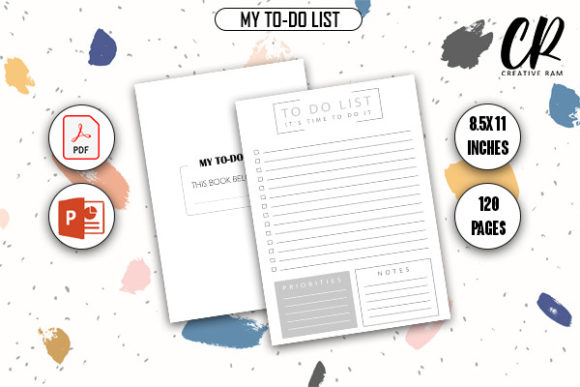
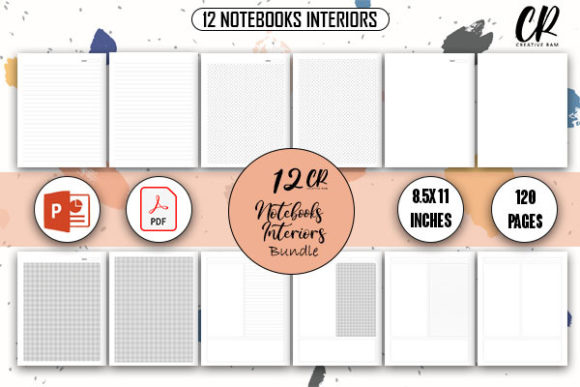
One of the most common pitfalls in self-publishing is incorrect margin settings or bleed configuration. A beautifully designed interior becomes useless if the text gets cut off during trimming or if the gutter margin is too narrow for binding. Every notebook in this collection adheres to precise industry standards tailored for the 8.5″ x 11″ trim size.
- Dimensions: Standard US Letter size (8.5" x 11"), ideal for journals, workbooks, and planners.
- Page Count: 120 pages per file, creating a substantial volume with a perceived high value.
- Bleed Settings: Configured as No Bleed, keeping all content safely within the printable area to prevent cropping errors.
- File Formats: Includes print-ready PDFs for immediate upload and PPTX source files for deep customization.
The inclusion of PowerPoint source files is particularly significant for entrepreneurs and designers. Unlike static PDFs, PPTX files allow you to adjust margins, add branding elements, modify header fonts, or insert niche-specific prompts without needing advanced graphic design software. This flexibility transforms a standard template into a proprietary product that aligns perfectly with your brand identity or target audience needs.
Standard Writing and Journaling Layouts
The first six notebooks in the collection cover the essential formats required for general journaling, diary writing, and note-taking. However, they include thoughtful additions that elevate them above basic alternatives.
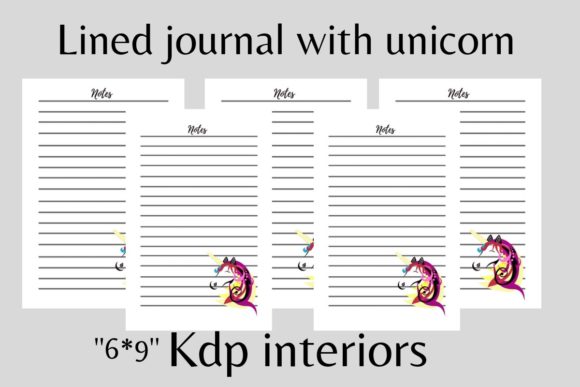
Lined and Dotted Papers with Date Fields: Traditional lined and dotted papers are staples, but adding a dedicated date field changes the user experience. It encourages consistency and transforms a simple notebook into a structured daily journal or gratitude log. This small detail makes the interior more attractive to buyers looking for habit trackers or mindfulness journals.
Blank Paper Variations: Blank pages serve multiple purposes, from sketching to free-writing. Providing options with and without date headers allows you to target different segments. The dated version works well for art journals where tracking progress over time matters, while the undated version appeals to artists and visionaries who prefer unstructured creative space.
These foundational layouts are versatile enough to stand alone as minimalist journals or serve as the base for more complex guided journals when customized using the source files.
Specialized Academic and Professional Formats
Where many KDP resources stop at basic lines, 12 Notebooks Interiors expands into functional layouts designed for students, professionals, and lifelong learners. These specialized formats command higher price points and face less saturation in the marketplace.
Graph Paper Options: Essential for STEM students, architects, and crafters. Having both dated and undated graph paper variations allows you to create math practice books, engineering field notes, or knitting pattern journals. The grid structure provides necessary guidance for technical drawing and data visualization that lined paper cannot offer.
Cornell Note-Taking System: Perhaps the most valuable inclusion for the education niche is the suite of Cornell-style layouts. This evidence-based note-taking method divides the page into cues, notes, and summary sections. The collection provides this structure in four distinct variations: Lined, Graph, Dotted, and Blank. This variety is rare and highly useful. A biology student might prefer Cornell Graph for diagrams, while a literature student benefits from Cornell Lined. By offering all four, you can create a cohesive series targeting different academic disciplines or professional training programs.
Strategic Applications for Diverse Creators
The true power of this collection lies in how different users adapt these assets to their specific goals. A one-size-fits-all approach rarely succeeds in KDP; success comes from applying these tools to solve specific problems for specific people.
Educators and Tutors: Use the Cornell Lined and Cornell Graph interiors to create subject-specific study guides. Customize the PPTX files to add lesson objectives, vocabulary lists, or chapter summaries at the top of each page. Instead of selling a generic notebook, you are selling a learning tool aligned with curriculum standards.
Coaches and Therapists: Mental health and wellness practitioners can utilize the Dotted Paper with Date fields to create structured reflection journals. Add proprietary coaching frameworks, affirmation prompts, or mood-tracking scales to the source files. This turns a commodity item into a branded therapeutic resource that supports client work between sessions.
Small Business Owners: Create branded meeting notebooks or project planners using the Blank or Lined papers with dates. Insert company logos, mission statements, or project tracking headers. These make excellent employee onboarding materials, client gifts, or internal organizational tools that reinforce company culture.
Hobbyist Communities: Niche hobbies require specific layouts. Gardeners need graph paper for plot planning; musicians need blank paper for composition; fitness enthusiasts need dated lined paper for workout logs. Identify an underserved hobby community and customize the appropriate interior to match their unique workflow.
Maintaining Quality Through Customization
While the templates provide a strong foundation, maintaining originality requires intentional customization. Simply uploading the raw PDF files may result in products that look identical to others using the same resource. To build a sustainable publishing business, treat these interiors as starting points rather than finished products.
Use the PowerPoint files to establish visual consistency across your catalog. Develop a signature header style, choose a distinctive font pairing, or create custom footer elements that identify your brand. Consider adding introductory pages that explain how to use the notebook effectively, especially for specialized formats like Cornell notes. This added context increases perceived value and demonstrates expertise.
Test your customized interiors before publishing. Print sample pages at home to verify that writing spaces are adequate, margins feel comfortable, and any added elements don’t interfere with functionality. User experience should always take precedence over aesthetic decoration. A beautiful notebook that is frustrating to write in will generate negative reviews regardless of its visual appeal.
Building a Cohesive Product Line
Having twelve complementary interiors enables strategic series development. Rather than publishing isolated products, create collections that serve related needs. A "Student Success Series" could include Cornell Lined for humanities, Cornell Graph for sciences, and Dotted Paper with Dates for reflective journaling. Cross-promote these titles in your book descriptions and author central page.
This systematic approach also streamlines your design workflow. Once you establish branding elements for one interior, adapting them to the other eleven becomes efficient. You maintain consistent quality while expanding your catalog rapidly. For marketers and bloggers, this means more touchpoints with your audience and increased opportunities for organic discovery through varied keyword targeting.
The 12 Notebooks Interiors collection represents a balance of convenience and creative potential. It removes technical barriers while preserving the flexibility needed to create meaningful, differentiated products. Whether you are launching your first KDP title or scaling an existing publishing business, these professionally crafted layouts provide the reliable foundation necessary for sustainable growth. Focus your energy on understanding your audience and crafting compelling covers; let these interiors handle the structural heavy lifting that ensures every book delivers on its promise.