Weekly Yoga Planner KDP Interiors: Streamlining Low-Content Book Creation
For self-publishers and digital product creators, the bottleneck is rarely the idea; it is the execution. Creating a functional, aesthetically pleasing low-content book requires balancing design precision with market demand. The Weekly Yoga Planner KDP Interiors serves as a foundational asset in this production workflow, bridging the gap between concept and a publishable product. Rather than designing a 120-page manuscript from scratch, publishers utilize these pre-formatted interiors to accelerate time-to-market while maintaining professional standards. This resource is specifically engineered for Amazon KDP specifications, eliminating common formatting errors that lead to rejection or poor print quality.
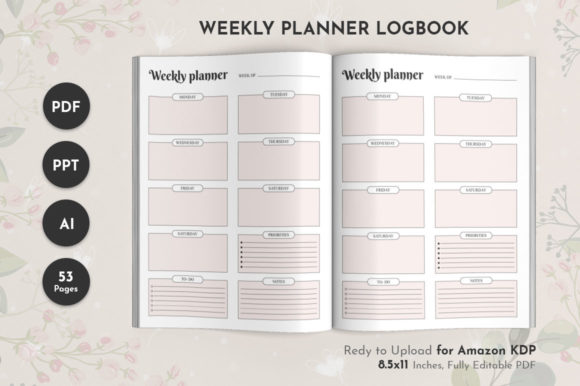
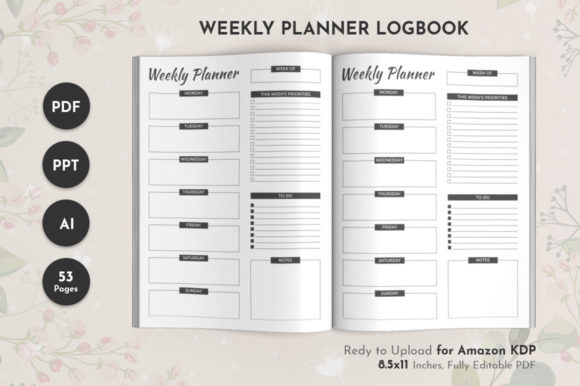
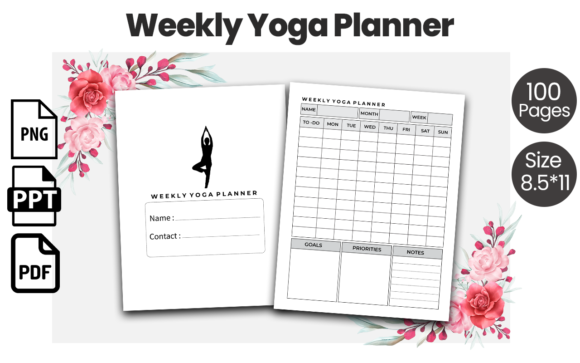
This interior template is not merely a collection of blank pages; it is a structured system designed for end-user utility. With dimensions set to the industry-standard 8.5 x 11 inches and configured for no bleed, it fits seamlessly into standard printing workflows. The inclusion of editable source files transforms this from a static PDF into a dynamic component of a larger publishing strategy. Whether you are a freelancer building a portfolio of wellness journals or an entrepreneur expanding a yoga studio’s merchandise line, understanding how to integrate this asset into your operational workflow is essential for efficiency and scalability.
Technical Specifications and Print Readiness
Before integrating any asset into a publishing pipeline, verifying technical compliance is mandatory. The Weekly Yoga Planner KDP Interiors addresses the most frequent pain points in KDP production: margin safety, resolution, and color profiles. The 8.5 x 11 inch trim size is optimal for yoga planners because it provides ample writing space for tracking poses, mindfulness notes, and weekly goals without becoming unwieldy for bag transport. The "No Bleed" configuration simplifies the upload process significantly. Unlike full-bleed books where artwork must extend 0.125 inches beyond the trim line, this interior keeps all content within safe margins. This reduces the risk of critical text being trimmed during manufacturing and ensures consistency across different print facilities.
The 120-page count is strategically chosen for this niche. In the wellness journaling category, users typically seek a duration that supports habit formation without overwhelming commitment. A 120-page structure allows for approximately three to four months of weekly tracking, or a specialized 12-week transformation program with introductory and reflection sections. From a production standpoint, this page count hits a sweet spot for spine width calculation and printing costs, maximizing royalty potential while delivering perceived value to the customer. The high-quality print-ready PDF ensures that lines are crisp at 300 DPI and grayscale values are optimized for KDP’s standard color printing options, preventing muddy or pixelated output.
Leveraging Multi-Format Flexibility in Production
The true operational advantage of this interior lies in the availability of PNG, PDF, and PPTX formats. Each file type serves a distinct function within the product development lifecycle. Relying solely on a PDF limits your ability to adapt to market feedback or create cohesive brand ecosystems. Understanding when and how to deploy each format streamlines both creation and marketing efforts.
- PDF (Production Master): This is your final deliverable for KDP. It should be treated as a locked asset. Use this file exclusively for uploading to ensure that fonts remain embedded and layout positioning stays fixed. Always run this file through KDP’s Previewer tool before publishing to verify margin integrity.
- PPTX (Customization Engine): PowerPoint is often overlooked in book design, but it is exceptionally efficient for low-content interiors. Because PPTX treats elements as movable objects, you can rapidly adjust headers, swap motivational quotes, or modify tracking tables without needing advanced vector software. This format is ideal for creating variations of the same planner for different sub-niches, such as prenatal yoga or chair yoga for seniors.
- PNG (Marketing and Digital Assets): High-resolution PNG files allow you to extract individual spreads for use in social media graphics, Etsy listing images, or digital downloads. Instead of taking screenshots of a PDF, which degrades quality, use the source PNGs to create professional mockups and promotional materials that match the actual product interior.
Workflow Integration: Pre-Publication Customization
Successful KDP products rarely succeed as generic templates. They succeed because they solve specific problems for specific people. The Weekly Yoga Planner KDP Interiors should be viewed as a base layer rather than a finished product. During the pre-publication phase, use the PPTX source file to align the interior with current market trends or specific audience needs. This might involve adding a moon phase tracker for lunar-focused practitioners, integrating a water intake log for hot yoga enthusiasts, or including specific pose sequences for stress relief.
This customization phase also interacts directly with keyword research. If your market analysis indicates high search volume for "mindfulness journal for beginners," you can edit the section headers and introductory pages in the PPTX file to reflect this terminology naturally. This alignment between interior content and metadata improves relevance signals. Furthermore, customizing the interior allows for cross-promotion. Freelancers and business owners can add QR codes linking to online classes, coaching services, or affiliate resources, transforming a passive paper product into an active lead generation tool. The editable nature of the source files makes this integration seamless, avoiding the need for expensive graphic designers for minor updates.
Quality Control and Compatibility Checks
Even with pre-made interiors, quality assurance remains the publisher's responsibility. Before finalizing your project, establish a verification checklist. Confirm that the master PDF matches the selected trim size exactly. Verify that the PPTX slide size corresponds to 8.5 x 11 inches; sometimes default settings revert to widescreen presentations, which will distort your layout upon export. Check font licensing if you modify text elements; ensure any new typography added during customization is commercially licensed for print distribution.
Compatibility extends beyond file formats to user experience. Test the usability of the planner layout. Are the writing lines spaced appropriately for handwriting? Is there sufficient gutter margin so text doesn't disappear into the binding? While the template is designed to spec, personal testing or beta feedback from actual yoga practitioners can reveal functional issues that technical specs cannot. This step prevents negative reviews related to usability, which are difficult to recover from once published. Maintaining a version control system for your source files is also recommended. Keep a "Master Clean" copy of the original download and save customized versions with clear naming conventions to preserve your ability to pivot or update in the future.
Post-Publication Applications and Ecosystem Building
The utility of the Weekly Yoga Planner KDP Interiors extends well after the book goes live. For educators and content creators, the PNG assets serve as visual aids in course materials or blog posts discussing planning methodologies. Entrepreneurs can bundle the digital PNG or PDF versions as bonuses for physical book purchases, increasing average order value. Marketers can use extracted interior pages in email newsletters to demonstrate the product's value proposition visually, showing potential customers exactly what they will receive rather than relying on cover art alone.
Long-term use of this asset involves iterative improvement based on sales data and customer feedback. If analytics show that a particular variation performs better, return to the PPTX source file to refine other titles in your catalog using similar structural elements. The modular nature of the interior allows you to scale your publishing business efficiently. Instead of reinventing the wheel for every new release, you build upon a proven framework. This consistency helps establish brand recognition among buyers who appreciate reliable, well-structured tools for their practice.
Integrating this resource effectively requires shifting perspective from "buying a template" to "acquiring a production system." By leveraging the multi-format delivery, adhering to technical specifications, and applying strategic customization, publishers can reduce friction in the creation process. The result is a higher quality product delivered faster, allowing more time for marketing, audience engagement, and business growth. Whether used as a standalone product or part of a broader wellness brand, the Weekly Yoga Planner KDP Interiors provides the structural reliability necessary for sustainable self-publishing success.