KDP Interiors 30 Point Checklist for Flawless Books
Creating a low-content or medium-content book for Amazon KDP requires more than just a creative idea; it demands technical precision. The difference between a rejected manuscript and a bestseller often lies in the details of file preparation. This is where the KDP Interiors 30 Point Checklist becomes an indispensable tool for self-publishers. Rather than viewing interior design as a purely artistic endeavor, successful creators treat it as a systematic process. By utilizing a comprehensive checklist alongside premium, pre-formatted files, you eliminate guesswork and ensure every page meets Amazon’s rigorous printing standards.
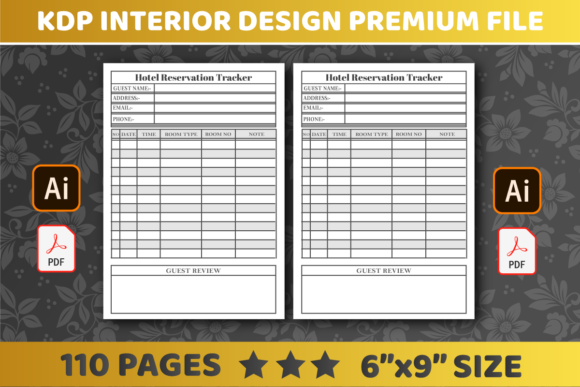
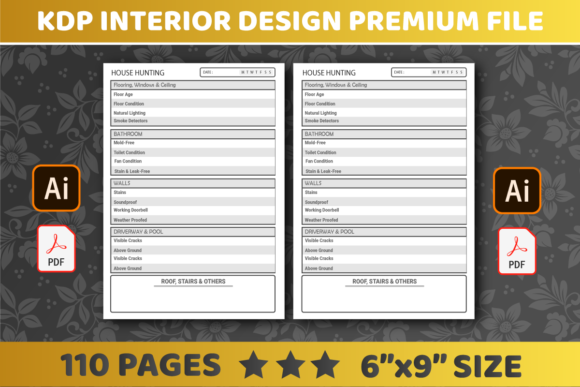
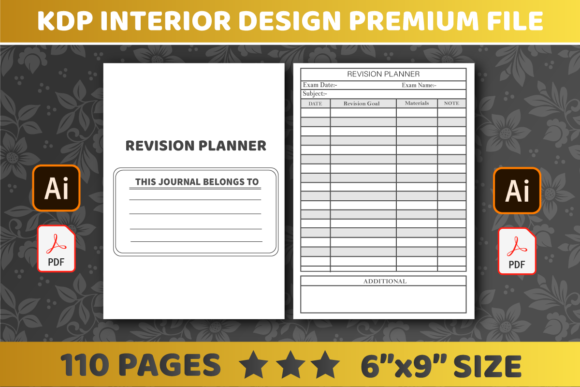
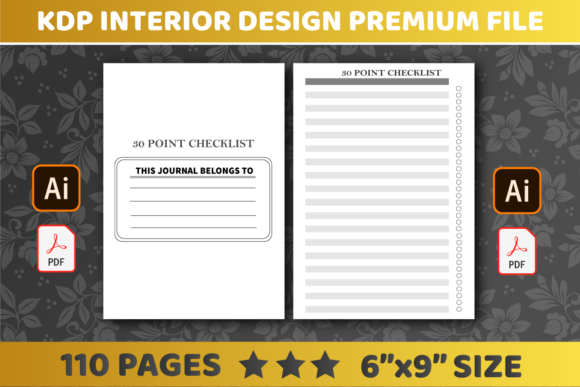
The checklist serves as a quality assurance protocol. It bridges the gap between your creative vision and the mechanical requirements of print-on-demand technology. When paired with a premium interior file set to specific dimensions like 6″ x 9″ inches with 110 pages, the workflow transforms from stressful troubleshooting to streamlined production. This approach allows designers, educators, and entrepreneurs to focus on niche research and marketing rather than fixing margin errors at midnight.
Understanding the Premium File Specifications
To maximize the utility of the KDP Interiors 30 Point Checklist, one must first understand the foundation upon which it is built. Premium interior files are not generic templates; they are engineered assets. A standard high-quality setup typically features a 6″ x 9″ trim size, which remains the industry gold standard for journals, planners, and activity books. This dimension offers enough real estate for functional content while remaining portable and cost-effective to print.
The specification of 110 pages is equally strategic. This page count creates a spine wide enough to accommodate text, making the book look professional on a shelf, yet it keeps the production cost low enough to maintain healthy royalty margins. Crucially, these files are often configured with a "No Bleed" setting. For many new publishers, bleed is a common point of failure. By utilizing a no-bleed premium file, you create a safe zone that prevents content from being trimmed off during the binding process. This technical decision simplifies the design phase significantly, allowing for cleaner edges and reduced anxiety during the upload review.
File Formats and Editability
Versatility is key for modern publishers who may work across different software platforms. Premium interiors usually come in both PDF and AI (Adobe Illustrator) formats. The PDF serves as a ready-to-upload final product for those who want speed, while the AI file offers deep customization for designers who wish to alter layouts, add branding, or modify line weights. The ability to easily edit these interiors means the KDP Interiors 30 Point Checklist can be applied dynamically. You are not checking a static document; you are validating a living project that can evolve based on market feedback or seasonal trends.
Creative Applications Across Niches
The true power of this system emerges when applied to specific creative projects. The checklist ensures consistency, but the premium file provides the canvas. Different audiences require different adaptations of these core assets.
- Educators and Tutors: For workbook creators, the 6x9 no-bleed format is ideal for vocabulary drills or math practice sheets. The checklist ensures that answer lines are positioned correctly relative to the gutter, preventing student frustration. Educators can edit the AI files to add school logos or specific curriculum headers while relying on the pre-set margins to guarantee readability.
- Wellness Coaches and Therapists: Mindfulness journals and gratitude trackers benefit immensely from the clean aesthetic of premium interiors. Here, the checklist validates that prompts have adequate white space for handwriting. The 110-page count is perfect for a 90-day guided journey plus introductory and reflection pages, creating a complete therapeutic tool without overwhelming the user.
- Small Business Owners: Branded merchandise is a powerful revenue stream. Real estate agents, fitness trainers, or consultants can use editable interiors to create client-facing notebooks. The checklist acts as a brand safety guide, ensuring that logos do not encroach on safe zones and that contact information remains legible after trimming.
- Hobbyists and Crafters: Niche logbooks for knitting, bird watching, or home brewing require specific data fields. Using a premium base file saves hours of drawing tables. The checklist helps verify that column widths are sufficient for handwritten notes and that headers are consistent throughout the 110 pages.
Implementing the 30 Point Quality Protocol
While the specific points of the checklist may vary by creator, effective implementation always covers three critical phases: pre-design, in-design, and pre-upload. Treating the KDP Interiors 30 Point Checklist as a phased workflow prevents bottlenecks.
Phase One: Pre-Design Validation
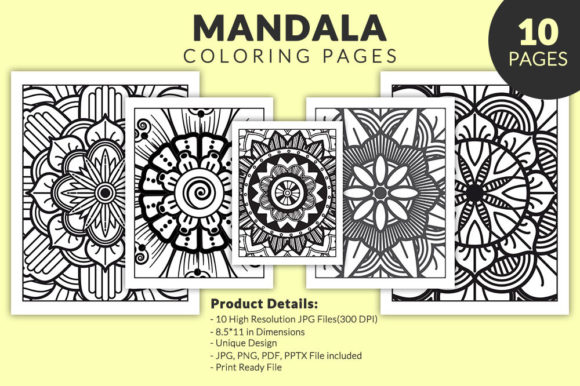
Before placing a single element, use the checklist to confirm your project parameters. Does the 6x9 dimension match your niche expectations? Is the no-bleed setting appropriate for your content type? If you are designing a coloring book, you might actually need bleed, signaling a need to switch files before starting. This phase also involves verifying that your editing software is compatible with the provided AI or PDF files. Confirming these technical foundations early prevents the heartbreak of redesigning 110 pages later.
Phase Two: Content and Layout Integrity
During the design process, the checklist shifts focus to user experience and visual consistency. Are all left-hand and right-hand margins symmetrical? Is the font size readable for your target demographic? For editable interiors, this is where you ensure that any new elements you add respect the original safe zones. A common error is adding decorative borders that violate the no-bleed constraint. Regularly referencing the checklist during layout keeps the design disciplined and professional.
Phase Three: Final Technical Review
The final stage occurs after exporting your PDF. This is where the checklist serves as a gatekeeper. Verify the file size, resolution (typically 300 DPI for print), and color profile (CMYK vs. Grayscale). Check that the total page count matches the 110-page specification exactly; even a single missing blank page can cause upload rejection. This systematic review mimics the automated checks Amazon performs, giving you the confidence to hit publish without fear of error messages.
Adapting for Consistency and Scale
For entrepreneurs and freelancers building a catalog of books, consistency is currency. Readers who love your first journal will expect the same quality in your second. The KDP Interiors 30 Point Checklist facilitates this scalability. By documenting your settings and preferences within the checklist framework, you create a standard operating procedure for your publishing business.
Consider creating variations of your premium 6x9 interior. Perhaps version A has dotted lines for bullet journaling, while version B has lined paper for note-taking. Both can share the same underlying safety parameters and page count. The checklist ensures that despite these surface-level differences, the structural integrity remains identical. This allows you to rapidly test different sub-niches without reinventing the wheel for every publication.
Balancing Creativity with Technical Constraints
It is easy to view technical specifications as limitations, but experienced designers know they are actually liberating. When you trust that your 6″ x 9″ no-bleed premium file is structurally sound, your mental energy is freed for genuine creativity. You stop worrying about whether the book will print correctly and start thinking about how to make the content more valuable.
The KDP Interiors 30 Point Checklist supports this creative freedom by acting as a safety net. It allows you to experiment with typography, prompt phrasing, and section organization, knowing that the foundational geometry is secure. Whether you are creating a complex planner or a simple sketchbook, this combination of robust assets and rigorous verification creates a professional publishing environment accessible to anyone willing to follow the process. Ultimately, the goal is to produce books that feel intentional, polished, and worthy of the reader's time and investment.