Kdp Interiors Drinking Log Book: A Practical Resource for Publishers and Personal Tracking
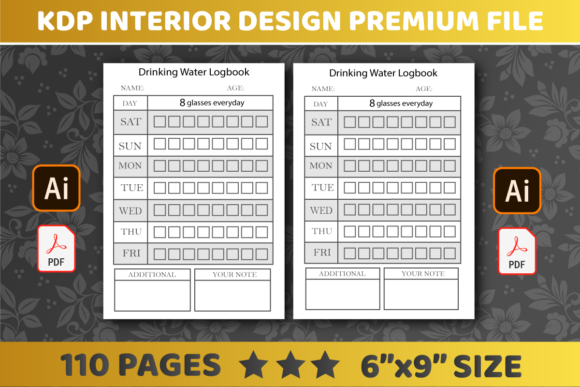
Creating a successful low-content book on Amazon KDP often comes down to the quality of the interior. For publishers focusing on health, wellness, or sobriety niches, the Kdp Interiors Drinking Log Book serves as a foundational template that balances professional design with user functionality. This resource is specifically engineered for creators who want to launch a high-quality tracking journal without spending dozens of hours designing grids and tables from scratch. With specifications including a 6″ x 9″ trim size, 110 pages, and a no-bleed setting, this premium file addresses the most common technical hurdles new publishers face while providing a genuinely useful tool for end-users.
Real-World Applications for Health and Wellness Tracking
The primary value of this drinking log book lies in its practical application for individuals monitoring their alcohol intake. Unlike generic notebooks, this interior is structured to capture specific data points that matter to people making lifestyle changes. Users typically employ this log in several distinct scenarios where accountability and pattern recognition are essential.
Sobriety Journeys and Recovery Support
For individuals navigating early recovery or participating in programs like Alcoholics Anonymous or SMART Recovery, consistent tracking is often a recommended practice. The 110-page count provides roughly three to four months of daily logging space, which aligns perfectly with the critical 90-day milestone often cited in recovery literature. Users can record triggers, emotions, and cravings alongside consumption data, transforming a simple log into a reflective journal. The 6″ x 9″ dimension makes it portable enough to carry to meetings or therapy sessions without drawing unnecessary attention, maintaining privacy while supporting accountability.
Moderation Management and Mindful Drinking
Not everyone using a drinking log is abstaining entirely. Many adults use these books for moderation management or "dry January" challenges. In this context, the log serves as a reality check against perceived consumption versus actual intake. A busy professional might use the book to track weekend drinking habits that creep up over time, or a parent might monitor stress-related consumption after the children go to bed. The structured format helps identify correlations between stressful work weeks and increased intake, offering actionable insights that unstructured note-taking often misses.
Medical and Dietary Compliance
Healthcare providers frequently recommend alcohol tracking for patients managing liver conditions, diabetes, or hypertension. In these medical contexts, accuracy is paramount. The pre-formatted fields in the Kdp Interiors Drinking Log Book reduce the cognitive load for patients who may be fatigued or overwhelmed by health management. Instead of wondering what to write, they simply fill in the designated areas. This consistency produces better data for doctors during follow-up appointments and helps patients adhere to dietary restrictions with less friction.
Strategic Advantages for KDP Publishers and Creators
From a publishing perspective, this interior file solves specific production problems. The market for sobriety and wellness journals is competitive, and readers can easily distinguish between a thoughtful product and a hastily assembled one. Using a premium file like this elevates the perceived value of your book immediately.
Technical Precision and Print Safety
One of the most significant benefits of this specific file is the no bleed setting. New publishers frequently struggle with bleed margins, resulting in rejected manuscripts or content getting trimmed off during printing. Because this interior is designed with safe margins for a 6″ x 9″ book, you eliminate the guesswork. The PDF format ensures that what you see on your screen is exactly what prints, preserving crisp lines and readable text. This technical reliability saves time and prevents costly proofing errors.
Customization Through Editable AI Files
While the ready-to-use PDF is convenient, the inclusion of editable AI (Adobe Illustrator) files is where long-term value emerges. Successful publishers rarely rely on a single interior forever. You might want to add a motivational quote page, adjust the header font to match your cover design, or include a resources section specific to your brand. Having access to the source file allows you to create variations without redesigning the entire layout. This flexibility enables you to test different versions, create seasonal editions, or bundle the log with other wellness content, effectively extending the lifecycle of your product.
Diverse Use Cases Beyond Individual Consumers
While personal tracking is the obvious use case, the versatility of this interior extends to professional and educational settings. Understanding these broader applications can help publishers target niche audiences more effectively.
- Addiction Counselors and Therapists: Professionals often recommend specific tools to clients. A well-designed log book can be suggested as homework between sessions. Some practitioners even purchase copies in bulk to provide to new clients as part of an intake package.
- Corporate Wellness Programs: HR departments and wellness coordinators sometimes include moderation tracking tools in employee health initiatives. A discreet, professionally designed log book fits better in a corporate wellness kit than a clinical-looking medical form.
- Sober Living Homes and Treatment Centers: Residential facilities require standardized tracking for residents. The consistent 110-page format allows staff to review progress uniformly across multiple individuals.
- Health Coaches and Nutritionists: Wellness professionals who address holistic health often need clients to track all substances affecting their well-being. This log complements food diaries and sleep trackers already in use.
Critical Considerations Before Publishing or Purchasing
Whether you are a publisher evaluating this asset or a consumer considering a book made with it, certain factors warrant careful thought. Not every drinking log suits every purpose, and understanding the nuances prevents disappointment.
Evaluating Page Count and Duration
The 110-page specification is deliberate but finite. Publishers should clearly communicate in their book description how long the log will last based on typical usage patterns. If your target audience expects a full year of tracking, 110 pages may fall short unless users only log weekly. Conversely, for short-term challenges or intensive monitoring periods, this length is ideal. Transparency about duration builds trust with buyers and reduces negative reviews related to unmet expectations.
Assessing Customization Needs
If you plan to use the PDF as-is, ensure the existing prompts and fields align with your audience's needs. Some communities prefer quantitative tracking (number of drinks, times), while others prioritize qualitative reflection (feelings, triggers). Review the interior thoroughly before publishing. If the current layout doesn't match your niche's preferences, utilize the AI files to modify headers or add reflection sections. The ability to edit means you shouldn't settle for a mismatched interior just because it's convenient.
Understanding File Format Requirements
Before purchasing or downloading, verify that you have compatible software to open and edit AI files if customization is part of your strategy. Adobe Illustrator is industry standard, but alternatives exist. If you lack editing capabilities and only need the PDF, confirm that the no-bleed settings match your intended trim size exactly. Attempting to resize a 6″ x 9″ no-bleed interior to a different dimension later will compromise margin safety and likely cause printing issues.
Audience Sensitivity and Tone
Drinking logs touch on vulnerable aspects of people's lives. The design tone matters significantly. Clinical, sterile layouts may feel appropriate for medical compliance but alienating for someone in emotional recovery. Warm, supportive designs resonate differently than stark accountability trackers. When customizing this interior, consider whether your audience needs gentle encouragement or structured discipline. The visual language of the interior should reinforce the message of your cover and description, creating a cohesive experience that respects the user's journey.
Making the Most of Premium Interior Assets
The Kdp Interiors Drinking Log Book represents more than just a collection of formatted pages; it is a strategic asset for publishers and a functional tool for users. For creators, it reduces production friction while maintaining professional standards through proper no-bleed formatting and editable source files. For end-users, it provides structure during vulnerable periods of habit change, medical compliance, or personal growth. Success with this resource depends on thoughtful alignment between the interior's capabilities and the specific needs of your intended audience. Whether supporting sobriety milestones, enabling mindful moderation, or facilitating medical tracking, this interior delivers practical value when applied with intention and awareness of its technical parameters.