KDP Interiors Book Review Journal: A Practical Resource for Publishers and Readers
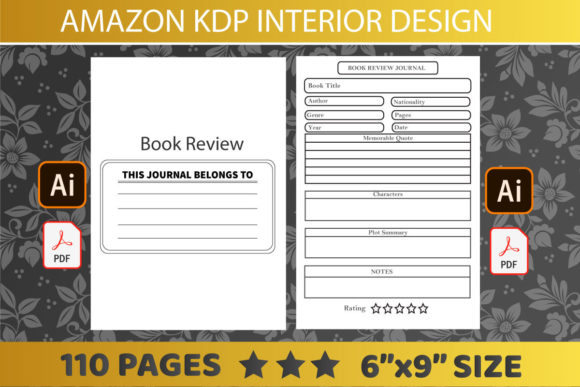
Creating a successful low-content or medium-content book on Amazon KDP often comes down to the quality of the interior. The KDP Interiors Book Review Journal is a specialized template designed to solve one of the most common friction points for self-publishers: formatting. This resource provides a pre-structured layout specifically tailored for readers who want to track, analyze, and remember the books they consume. Rather than staring at a blank InDesign document or struggling with Word margins, this journal offers a ready-to-use foundation that meets technical publishing standards while serving a genuine need in the reading community.
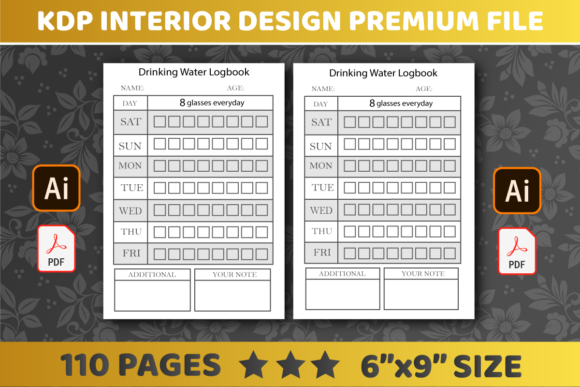
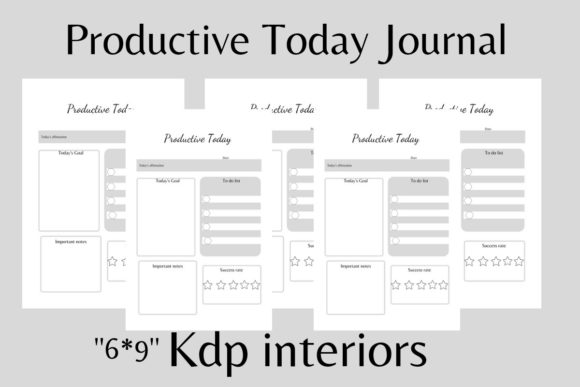
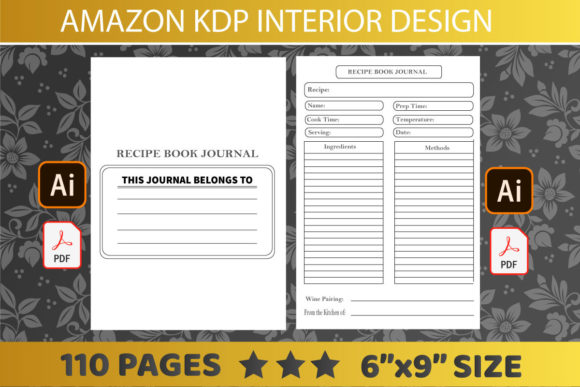
At its core, this interior is built around the standard 6″ x 9″ trim size, which remains the industry sweet spot for trade paperbacks. It contains 110 pages of structured content, providing enough volume to feel substantial without driving up printing costs excessively. The "no bleed" setting is a critical feature here; it ensures that all text and design elements stay safely within the margins, eliminating the risk of rejection during the KDP proofing process. Because the files are available in PDF, AI (Adobe Illustrator), and editable formats, users can adapt the template to fit their specific brand aesthetic or niche requirements before uploading.
Why Structured Review Journals Matter for Modern Readers
Digital tracking apps like Goodreads are popular, but there is a persistent demand for analog tracking. Many readers find that physically writing about a book improves retention and deepens their connection to the material. When you publish a KDP Interiors Book Review Journal, you aren't just selling paper; you are selling a mindfulness tool for bibliophiles. The structure typically includes sections for plot summaries, character analysis, favorite quotes, and personal ratings. This transforms passive reading into an active engagement practice.
For publishers, understanding this user behavior is essential. People buy these journals because they want to curate a physical library of their thoughts. They use them as companions to their reading chairs, as gifts for fellow book lovers, or as organizational tools for book clubs. The value proposition lies in the consistency of the layout. A well-designed interior reduces the cognitive load for the user, allowing them to focus entirely on their literary reflection rather than figuring out how to organize their notes on a blank page.
Real-World Applications Across Different Niches
The versatility of this specific interior template allows it to serve multiple distinct audiences. Understanding where and when people use these journals helps creators market them more effectively or customize them for better performance.
- Book Bloggers and Influencers: Content creators often read dozens of books a month. A review journal serves as a reliable offline database. Before writing a blog post or recording a BookTok video, influencers can reference their handwritten notes to recall specific details that might have faded from memory. For this group, the journal is a professional productivity tool.
- Educators and Students: Literature students and teachers require deeper analysis than casual readers. The structured prompts in a review journal help break down complex narratives. Students can use these pages to prepare for essays or exams, while educators might use them to track curriculum reading and generate discussion questions for class.
- Book Club Members: Monthly book clubs thrive on discussion. Members often bring annotated journals to meetings to support their opinions with specific textual evidence. A standardized review journal ensures that every member has space to record the same types of insights, making conversations more focused and productive.
- Personal Development Enthusiasts: Non-fiction readers often treat reading as a form of self-education. For this demographic, the review journal functions as a knowledge management system. They use it to extract actionable advice, track habit formation, and summarize key takeaways from business, psychology, or wellness titles.
Leveraging Editable Files for Brand Differentiation
One of the significant advantages of having access to AI and editable source files is the ability to avoid market saturation. While the base KDP Interiors Book Review Journal is functional, success on Amazon often requires uniqueness. Creators can open these files to add custom branding, modify fonts, or adjust prompt language to suit a specific sub-niche.
Consider a scenario where you want to target mystery novel fans specifically. Using the editable file, you could change generic headers like "Plot Summary" to "Case Notes" or "Suspect List." You might add a section for tracking clues or red herrings. Similarly, a romance-themed version could include prompts for tracking relationship dynamics or emotional beats. This level of customization takes a generic product and turns it into a targeted solution. The ability to edit also means you can fix any design preferences personally; if you prefer wider lines for handwriting or more whitespace for sketching, the source files give you that control.
Technical Considerations for Seamless Publishing
Before applying or purchasing this interior, it is vital to understand the technical specifications to ensure a smooth publishing experience. The 6″ x 9″ dimension with no bleed is generally the safest route for new publishers. Bleed errors are the most common reason for KDP rejections, and by choosing a no-bleed template, you significantly reduce your margin for error. However, this also means you must respect the safe zone. Always check the gutter margin, especially since 110 pages will create some inner binding shadow. The provided templates should account for this, but if you edit heavily, verify your margins against current KDP guidelines.
File format flexibility is another practical consideration. If you do not own Adobe Illustrator, ensure the package includes a high-resolution PDF that you can upload directly. Conversely, if you plan to create a series of journals, the AI files are invaluable for maintaining brand consistency across multiple products. Always preview your edited files using the KDP Previewer tool before ordering a physical proof. Digital screens can be deceiving regarding contrast and font size; what looks readable on a monitor might be too faint or small in print.
Strategic Benefits for Self-Publishers
For entrepreneurs and freelancers building a KDP business, time is the most valuable asset. Designing a 110-page interior from scratch involves hours of layout work, typography selection, and margin calculation. Utilizing a pre-made KDP Interiors Book Review Journal compresses this timeline from days to minutes. This efficiency allows creators to focus on keyword research, cover design, and marketing strategies—the activities that actually drive sales.
Furthermore, quality interiors lead to better reviews. Customers are quick to leave negative feedback if a journal feels cheap, poorly formatted, or useless. By starting with a professionally structured template, you establish a baseline of quality that protects your author reputation. High-quality interiors also encourage customers to return for future purchases, helping to build a loyal reader base over time.
Making the Right Choice for Your Project
Not every review journal template fits every project. Before downloading or buying, evaluate the specific prompts included in the KDP Interiors Book Review Journal. Do they align with the reading habits of your target audience? A journal designed for academic critique will fail with casual fiction readers, and vice versa. Assess the balance between structured fields and free-writing space. Some users love detailed checkboxes and rating scales, while others prefer open-ended questions that spark creativity.
Also, consider the long-term viability of the design. Trends in book aesthetics shift, but usability is timeless. Choose a template that prioritizes function over fleeting decorative trends. Ensure the paper usage is efficient; 110 pages is a solid count, but verify that the content density justifies the page count. Users dislike paying for excessive blank filler pages. Ultimately, the best interior is one that respects both the creator's workflow and the end-user's reading experience. By combining technical precision with genuine utility, this type of resource bridges the gap between digital publishing logistics and the tactile joy of reading.