Unlocking Creativity: A Comprehensive Guide to Blank Comic Pages KDP Interiors
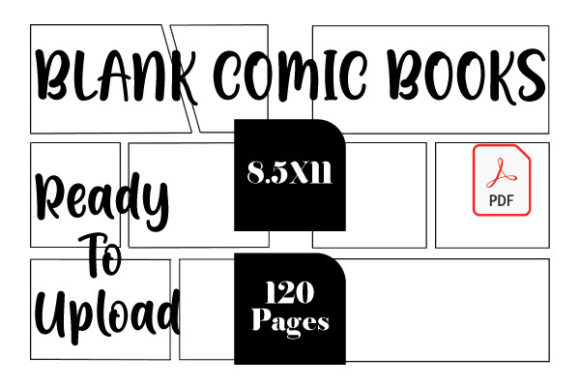
In the expansive world of self-publishing, few niches offer as much creative freedom and passive income potential as low-content books. Among these, blank comic pages for Amazon KDP (Kindle Direct Publishing) stand out as a unique intersection of artistic utility and business opportunity. Whether you are an aspiring publisher looking to expand your catalog or an educator seeking resources for students, understanding the nuances of a high-quality Blank Comic Pages KDP Interior is essential. This guide explores the purpose, technical specifications, and practical applications of these versatile interiors, specifically focusing on the industry-standard 8.5 x 11 inch, 121-page format.
Understanding the Role of KDP Comic Interiors
At first glance, a blank comic book interior may seem simplistic. However, its value lies in its function as a structured canvas. Unlike a standard notebook with lined paper, a comic interior provides visual scaffolding that guides the user’s creativity without dictating the content. For KDP publishers, this product serves as a foundational asset. It eliminates the most time-consuming aspect of low-content publishing: design. By utilizing a pre-formatted Interior Only PDF file, creators can bypass complex layout software and focus entirely on cover design, keyword research, and marketing strategy.
The significance of this tool extends beyond mere convenience. In the modern digital economy, where speed-to-market is often a deciding factor in success, having a reliable, ready-to-use interior allows publishers to test multiple niches rapidly. Furthermore, for the end-user—whether a child, a hobbyist, or a professional storyboard artist—these books provide an accessible entry point into visual storytelling without the intimidation of a blank white page.
Technical Specifications: Why Size and Format Matter
When selecting or creating a Blank Comic Book KDP Interior, technical precision is non-negotiable. The specific configuration of 8.5 x 11 inches with 121 pages is not arbitrary; it is optimized for both the printing process and the user experience.
- 8.5 x 11 Inch Trim Size: This is the standard US Letter size and arguably the most popular dimension for comic books and graphic novels in North America. It offers ample surface area for detailed illustrations while remaining portable enough for school bags or travel. For KDP sellers, this size also ensures compatibility with standard bookstore shelving and library systems.
- 121 Page Count: Page count directly influences spine width and perceived value. At 121 pages, the book is substantial enough to feel like a legitimate publication rather than a pamphlet, yet thin enough to keep printing costs low. This balance maximizes royalty margins while providing users with sufficient space for long-form projects.
- No Bleed Configuration: A "No Bleed" interior means that all content, including panel borders, stays within the safe margin zone. This is crucial for beginners in KDP publishing because it significantly reduces the risk of printing errors. Elements near the edge of the page will not be trimmed off during manufacturing, ensuring a consistent, professional result every time.
- Black and White Standard: While color comics exist, black and white remains the industry standard for independent creators and sketchbooks. It reduces printing costs dramatically, allowing for a lower retail price point and higher royalties. Additionally, B&W interiors encourage users to focus on line work, shading, and composition before worrying about color theory.
The Strategic Advantage of Multi-Style Layouts
One of the most critical features of a premium Blank Comic Pages KDP Interior is variety. A common misunderstanding among new publishers is that all comic panels must look the same. In reality, visual storytelling requires dynamic pacing. This is why high-quality interiors include 4 style pages rather than a single repetitive template.
Different panel layouts serve different narrative functions. Understanding these styles helps publishers market their books more effectively to specific audiences:
- Standard Grid Layouts: These typically feature uniform rectangular panels. They are perfect for traditional storytelling, dialogue-heavy scenes, and beginners learning the basics of sequential art.
- Action and Dynamic Layouts: These pages often include diagonal panels, overlapping frames, or full-width spreads. They are designed for high-energy sequences, fight scenes, or dramatic reveals.
- Manga-Inspired Layouts: Featuring varied aspect ratios and vertical flow, these cater to the massive demographic of anime and manga fans who prefer right-to-left or top-to-bottom reading flows.
- Cinematic/Widescreen Layouts: Horizontal strips that mimic film frames. These are excellent for establishing shots, landscapes, or storyboard artists working in film and animation.
By offering four distinct styles within one book, you transform a simple sketchbook into a comprehensive toolkit. This versatility increases the book's perceived value and broadens its target audience from casual doodlers to serious art students.
Practical Applications in Education and Professional Work
The utility of blank comic interiors extends far beyond entertainment. In educational settings, these books have become vital tools for literacy and engagement. Teachers utilize them for "visual journaling," where students summarize historical events or scientific processes through drawings rather than essays. This approach supports diverse learning styles, particularly for visual learners and ESL students who may struggle with text-only assignments.
In the professional realm, these interiors serve as cost-effective storyboarding pads. Indie filmmakers, UX designers, and advertising creatives often use printed comic templates to map out user flows or video sequences. The physical act of drawing on paper, constrained by pre-printed panels, forces concise thinking and rapid iteration in ways that digital tablets sometimes cannot replicate. When marketing your KDP book, highlighting these professional and educational use cases can open up entirely new revenue streams beyond the typical "gift for kids" niche.
Navigating Common Misunderstandings
Despite the apparent simplicity of blank books, there are several assumptions that can hinder success. One prevalent myth is that "blank" means "low effort." On the contrary, a successful Blank Comic Pages KDP Interior requires thoughtful curation. Poorly spaced panels, inconsistent margins, or gray-scale lines that are too dark can ruin the user experience. The lines should be light enough to draw over but visible enough to guide the hand. Always verify that the PDF file you are using has been professionally tested for print clarity.
Another misconception involves the "Interior Only" designation. Some new publishers assume they can simply upload any PDF found online. However, commercial licensing is paramount. Ensure that the interior you purchase or download includes rights for commercial KDP use. Using unlicensed templates can lead to account termination. Furthermore, remember that "Interior Only" means you must create your own cover. The cover is what sells the book; the interior is what generates reviews and repeat customers. Neglecting cover design because the interior was easy to acquire is a frequent pitfall.
Building a Sustainable Low-Content Business
Integrating a standardized 121-page, no-bleed comic interior into your business model offers scalability. Because the interior remains constant, you can create series targeting different demographics simply by changing the cover art and keywords. A superhero-themed cover targets young boys; a pastel aesthetic targets teen girls; a minimalist, matte finish targets adult professionals. The underlying product remains the same, reducing production friction.
Moreover, this format aligns perfectly with current trends in mindfulness and analog creativity. As screen fatigue grows, so does the demand for tactile, offline activities. Blank comic books offer a form of active meditation, allowing users to disconnect from digital notifications and reconnect with their imagination. Positioning your book as a mental wellness tool or a digital detox aid can differentiate it in a crowded marketplace.
Conclusion: More Than Just Empty Pages
A Blank Comic Pages KDP Interior is more than a collection of empty boxes; it is a catalyst for creation. Whether viewed through the lens of a publisher seeking efficient assets or a user seeking expressive freedom, the 8.5 x 11, 121-page, multi-style format represents a sweet spot of usability and profitability. By understanding the technical requirements, appreciating the narrative function of varied layouts, and recognizing the broader educational and professional applications, you can elevate your KDP business above generic competition. Success in this niche comes not just from uploading a file, but from understanding how that file facilitates human creativity in the real world.