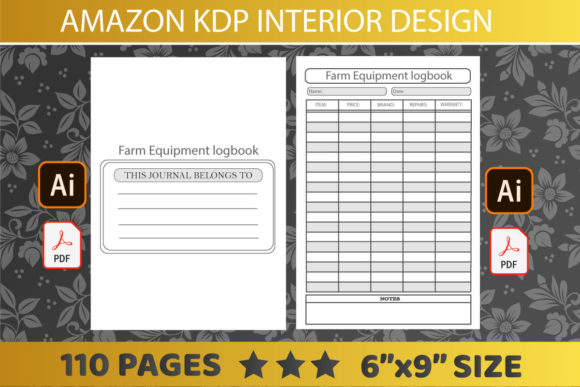
Evaluating the KDP Interiors Farm Equipment Log Book Template
Maintaining accurate records for agricultural machinery is a critical component of modern farm management. Whether operating a single tractor or managing a fleet of combines and implements, documentation ensures regulatory compliance, preserves resale value, and aids in preventative maintenance. For self-publishers and niche content creators, the KDP Interiors Farm Equipment Log Book represents a specific digital asset designed to streamline the creation of these essential tools. This evaluation examines the technical specifications, practical utility, and strategic considerations associated with this 6″ x 9″ interior template to help potential users determine its alignment with their publishing or operational goals.
Defining the Asset and Technical Specifications
The KDP Interiors Farm Equipment Log Book is not a physical product but a digital file package intended for use with Amazon’s Kindle Direct Publishing platform or similar print-on-demand services. Understanding the precise technical parameters is necessary before purchase or download to ensure compatibility with your design workflow.
- Dimensions: The template is formatted at 6″ x 9″ inches. This is a standard trade paperback size that balances portability with sufficient writing space.
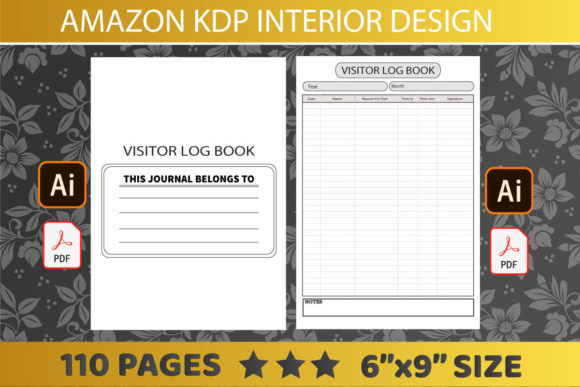
- Page Count: The file contains 110 pages. This length is generally considered the sweet spot for KDP logbooks, providing enough utility to justify a purchase price while keeping printing costs low enough to maintain healthy royalty margins.
- Bleed Settings: The interior is configured with "No Bleed." This means all content, including borders and lines, stays within the safe margin zone. This specification significantly reduces formatting errors during the upload process, as there is no risk of critical elements being trimmed off during manufacturing.
- File Formats: The package typically includes both PDF and AI (Adobe Illustrator) files. The PDF serves as a ready-to-upload solution, while the AI file provides vector-based editability.
- Editability: The inclusion of source files allows users to modify headers, adjust column widths, or rebrand the cover page without recreating the layout from scratch.
Strategic Value for Publishers and Creators
For individuals researching this template, the primary value proposition lies in efficiency and customization. Creating a functional logbook interior from scratch requires an understanding of bookbinding margins, gutter safety zones, and repetitive table design. The KDP Interiors Farm Equipment Log Book eliminates the initial structural learning curve.
The 6″ x 9″ dimension is particularly strategic for this niche. Agricultural logbooks are often used in field environments rather than office desks. A smaller trim size fits easily into glove compartments, toolboxes, or jacket pockets, making it more practical for end-users than larger 8.5″ x 11″ formats. Furthermore, the 110-page count avoids the higher printing tier thresholds that can erode profit margins on low-content books. By utilizing a pre-formatted no-bleed layout, publishers reduce the rejection rate during KDP’s automated review process, accelerating time-to-market.
The Importance of Source File Editability
The availability of AI files distinguishes professional-grade templates from basic PDFs. In the farm equipment niche, specificity sells. A generic "Equipment Log" may underperform compared to a "John Deere Tractor Maintenance Tracker" or "Irrigation System Inspection Log." Because this template is easily editable, users can tailor the terminology to specific sub-niches without altering the underlying grid structure. This capability supports a portfolio strategy where a single base template generates multiple distinct products targeting different segments of the agricultural market.
Benefits and Practical Considerations
When evaluating this resource, it is helpful to weigh the tangible benefits against inherent limitations. Objectively assessing these factors prevents mismatched expectations regarding the final product's quality and market viability.
Key Benefits
- Standardized Compliance: Pre-designed fields typically account for common tracking needs such as date, operator name, hours run, fuel usage, and maintenance notes. This structure aligns with general record-keeping standards.
- Vector Scalability: Since the AI files are vector-based, lines and text remain crisp at any resolution. This ensures high-quality printing even if the user decides to resize elements slightly.
- Royalty Optimization: The combination of 110 pages and 6″ x 9″ dimensions is mathematically optimized for KDP’s fixed printing cost structure, allowing for competitive pricing while retaining acceptable royalties.
- Reduced Design Fatigue: Repetitive table creation is tedious and prone to alignment errors. Using a verified template frees up mental energy for keyword research, cover design, and marketing.
Tradeoffs and Limitations
Despite its utility, the KDP Interiors Farm Equipment Log Book has constraints. The no-bleed setting, while safer for beginners, limits aesthetic possibilities. Designs cannot extend to the very edge of the page, which some buyers perceive as less premium compared to full-bleed interiors. Additionally, 6″ x 9″ pages offer limited horizontal space. If the target audience requires extensive columns for detailed mechanical diagnostics or parts numbering, this trim size may feel cramped. Users must also verify font licensing; while the layout is editable, commercial rights for specific typefaces included in the AI file should always be confirmed independently.
Situational Fit: When to Use vs. When to Seek Alternatives
Determining whether this specific template aligns with your objectives depends on your current resources and target audience requirements.
Ideal Scenarios for This Template
This asset is a strong fit for publishers building a catalog of agricultural low-content books who need a reliable, standardized foundation. It is equally suitable for farm managers or consultants looking to create branded internal documentation quickly without hiring a graphic designer. If your goal is to produce a portable, daily-use tracker for general equipment maintenance, the 6″ x 9″ no-bleed format offers the best balance of durability, cost, and usability. The editability factor makes it particularly valuable for those planning to localize content for specific regions or equipment brands.
When Alternatives Are Preferable
Conversely, this template may not suffice for specialized technical applications. If you are creating a comprehensive service manual or a logbook requiring detailed schematics alongside data entry, a larger 8.5″ x 11″ format with bleed capabilities would be superior. Publishers targeting the luxury gift market may also find the no-bleed constraint limiting; high-end journals often utilize full-bleed artistic backgrounds that this template does not support. Additionally, if you lack access to Adobe Illustrator or compatible vector software, the editability feature becomes irrelevant, and you may be better served by a Canva-compatible template or a locked PDF that meets your exact needs without modification.
Making an Informed Decision
Selecting the right interior template is a foundational decision in the publishing process. When evaluating the KDP Interiors Farm Equipment Log Book, prioritize functional alignment over convenience. Verify that the column headers match the actual data points farmers track in the field. Test the 6″ x 9″ dimensions by printing a sample page at actual size to assess writability and ergonomics. Confirm that the file formats integrate smoothly with your existing software ecosystem.
Ultimately, this template serves as a structural scaffold rather than a finished product. Its value is realized through customization and strategic implementation. By understanding the interplay between the 110-page count, no-bleed safety margins, and vector editability, users can accurately predict production outcomes and market reception. Whether for commercial publishing or operational organization, success depends on matching these technical specifications to the specific demands of the agricultural niche you intend to serve.