Integrating KDP Interiors Low Content Graphic Assets into Professional Publishing Workflows
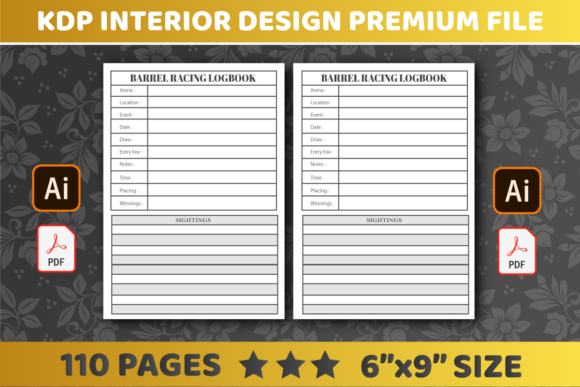
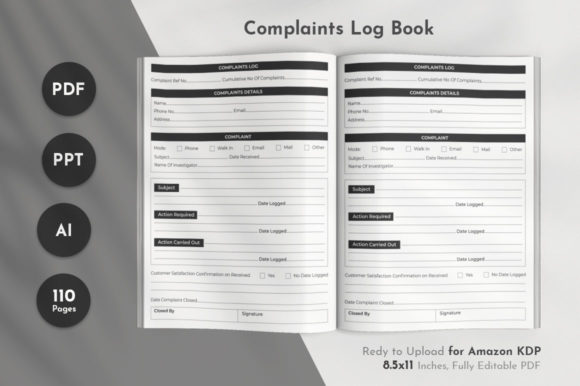
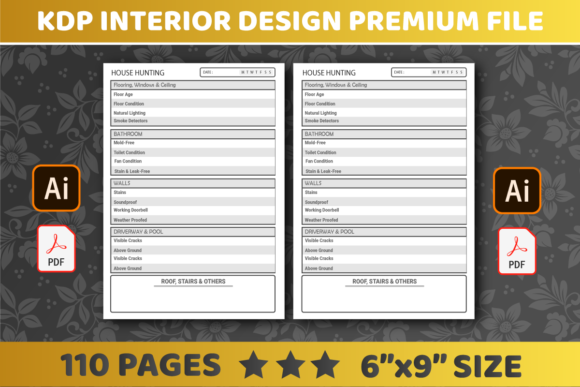
Creating a sustainable Amazon KDP business requires moving beyond simple template generation and establishing a professional design infrastructure. The KDP Interiors Low Content Graphic serves as the foundational asset layer for publishers producing notebooks, journals, and technical logs. Rather than viewing these graphics as static end-products, successful creators treat them as modular components within a larger production ecosystem. This approach ensures consistency across multiple titles, reduces time-to-market, and maintains high print quality standards required by Amazon’s printing partners.
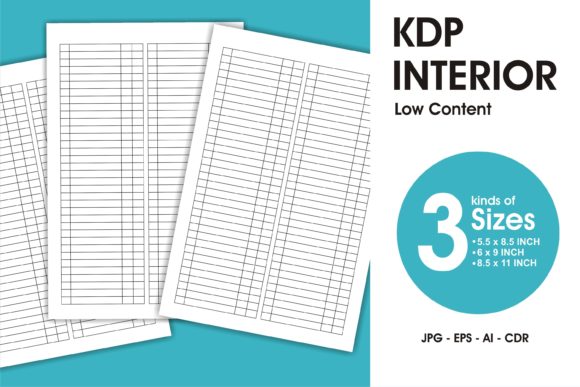
For professionals, educators, and entrepreneurs, the value of these assets lies in their versatility across standard trim sizes. Whether you are designing specialized engineering pads using 5.5 x 8.5 inch graph paper, portable field notebooks with 6 x 9 inch graph paper, or comprehensive academic workbooks utilizing 8.5 x 11 inch graph paper, the underlying graphic files must be technically precise. Understanding how to leverage source files in JPG, AI, CDR, and EPS formats allows publishers to adapt interiors for specific niches without rebuilding grids from scratch for every new project.
Selecting File Formats for Production Flexibility
The availability of multiple file formats is not merely a convenience; it dictates your workflow efficiency and long-term asset management. Each format serves a distinct purpose in the publishing pipeline, and understanding when to use each prevents technical bottlenecks during the upload and proofing phases.
- Adobe Illustrator (AI) and EPS: These vector-based formats are the industry standard for master files. They allow for infinite scaling without pixelation, which is critical when adjusting margins or bleed areas. Use AI or EPS files when you need to modify line weights, change grid colors for specialized aesthetics, or adjust the spacing of the graph paper to fit custom trim sizes. These files preserve editability, making them essential for creating derivative works or updating designs based on customer feedback.
- CorelDRAW (CDR):strong> For designers who prefer the Corel ecosystem, CDR files offer native compatibility for vector manipulation. This format is particularly useful for publishers who manage large libraries of interior patterns and require robust batch-processing tools. Maintaining CDR masters ensures that your workflow remains platform-independent if you ever need to collaborate with designers using different software suites.
- JPG: While raster images are generally less flexible for editing, high-resolution JPGs serve a vital role in rapid prototyping and final output for non-modifiable interiors. When using JPGs for KDP interiors, ensure the resolution is set to at least 300 DPI at the final print size. This format is best reserved for "locked" designs where no further adjustments are needed, allowing for faster file processing and smaller upload sizes when managing hundreds of SKUs.
Professional workflows typically involve maintaining a master vector file (AI/EPS/CDR) for editing and exporting flattened, high-resolution PDFs or JPGs solely for the final KDP upload. This separation protects your intellectual property and ensures you always have an editable source for future iterations.
Technical Precision Across Standard Trim Sizes
Graph paper interiors demand mathematical accuracy. A grid that appears misaligned or has inconsistent spacing will result in negative reviews and returns. When working with KDP Interiors Low Content Graphic assets, you must account for the specific constraints of each trim size relative to Amazon’s printing capabilities.
Optimizing 5.5 x 8.5 Inch Graph Paper
This compact size is frequently used for personal planners, travel journals, and pocket reference guides. The challenge here is maximizing usable space while maintaining adequate margins for binding. When implementing graph paper in this dimension, verify that the grid pattern does not encroach on the gutter margin. Because the page width is limited, even a minor alignment error becomes visually obvious. Using vector source files allows you to snap grid lines precisely to safe zones, ensuring the writing area remains functional and aesthetically balanced.
Adapting 6 x 9 Inch Graph Paper
The 6 x 9 trim size represents the most versatile category for low-content books, bridging the gap between portability and utility. This size is popular among students, hikers, and professionals for general note-taking. When integrating graphics for this dimension, consider the intended use case. A denser grid may suit technical sketching, while a wider grid benefits general journaling. Having editable AI or CDR files enables you to create multiple variations of the 6 x 9 interior from a single master asset, allowing you to test different grid densities under separate listings to determine market preference.
Executing 8.5 x 11 Inch Graph Paper
Full-size interiors are standard for academic workbooks, engineering logs, and detailed project planning. At this scale, file size and rendering performance become significant factors. An 8.5 x 11 inch graph paper interior contains significantly more vector points than smaller sizes. If uploading directly to KDP, complex vector grids can sometimes cause processing errors or timeouts. In such cases, exporting a high-quality flattened PDF or JPG from your master AI/EPS file often yields better upload results while maintaining visual crispness. Always preview full-size interiors using Amazon’s online previewer to check for banding or compression artifacts before approving for publication.
Workflow Integration and Quality Control
Incorporating these graphics into a business routine requires systematic organization. Treat your interior assets as inventory. Create a standardized folder structure that separates master source files from export-ready production files. Naming conventions should include trim size, grid type, and version number to prevent accidental uploads of outdated or incorrect files.
Before launching any title, implement a rigorous quality assurance checklist. This goes beyond simply opening the file. Print a physical proof copy whenever possible, especially when introducing a new graph paper style. Digital screens cannot accurately represent how ink spreads on KDP’s standard white paper. A grid line that looks perfect on a backlit monitor may appear too faint or too heavy in print. Physical verification ensures the KDP Interiors Low Content Graphic meets user expectations for writability and visual clarity.
Furthermore, consider the interaction between your interior graphics and cover design. The spine width calculation depends entirely on page count, which is determined by your interior file. Ensure your graphic asset metadata matches your cover template specifications. Discrepancies between the interior page count and cover spine width are common rejection reasons that can delay publication by days. By treating the interior graphic and cover design as linked components of a single product specification, you reduce administrative friction.
Strategic Application for Diverse Audiences
Different user segments interact with graph paper interiors in unique ways, and your asset implementation should reflect this understanding. Educators creating classroom materials may prioritize high-contrast grids that photocopy well, requiring bolder line weights in the AI/EPS master file. Engineers and architects using these notebooks for field sketches may prefer lighter, non-reproducible blue lines that do not interfere with pencil markings. Entrepreneurs developing branded merchandise for corporate clients might need to incorporate subtle watermarks or header logos into the graph paper itself.
The ability to edit source files transforms a generic commodity into a targeted solution. Instead of competing solely on price with thousands of identical graph paper notebooks, use the flexibility of AI, CDR, and EPS formats to create specialized interiors that address specific pain points. Add measurement scales, date headers, project tracking fields, or custom margins directly into the graphic asset. This level of customization increases perceived value and justifies premium pricing.
For freelancers and small business owners managing multiple brands, these assets provide scalability. Create a base graph paper template, then duplicate and modify it for different niches. A single master 8.5 x 11 inch graph paper file can spawn dozens of unique products through minor adjustments to headers, footers, or grid styling. This modular approach maximizes return on investment for your design time and creates a cohesive product line that reinforces brand recognition.
Maintaining Long-Term Asset Viability
Technology and platform requirements evolve. Files created today must remain usable years from now. Vector formats like AI, EPS, and CDR are inherently future-proof because they describe shapes mathematically rather than as fixed pixels. This means your KDP Interiors Low Content Graphic library retains value regardless of changes in screen resolutions, printing technologies, or KDP specifications. Should Amazon introduce new trim sizes or update margin requirements, vector masters can be adjusted in minutes rather than recreated entirely.
Regularly audit your asset library to ensure compatibility with current software versions and KDP guidelines. Remove obsolete files to prevent confusion, and maintain documentation noting which fonts were used in each interior. Font licensing issues can arise if you switch computers or update software; keeping records of font sources and licenses protects your business from compliance risks. Additionally, back up master files to cloud storage or external drives to safeguard against data loss.
Ultimately, success in low-content publishing stems from treating design assets as professional tools rather than disposable templates. By understanding the technical nuances of file formats, respecting the dimensional constraints of each trim size, and integrating quality control into your workflow, you transform simple graph paper into a scalable business asset. This disciplined approach not only improves product quality but also builds a sustainable foundation for long-term growth in the competitive KDP marketplace.